


El Camino de Santiago
- Jan 16, 2024
- 7 min read
Updated: May 7, 2025






Recently, a friend called and said his friend was planning on walking the Camino Frances in the spring and did we have any advice to offer? My pleasure.
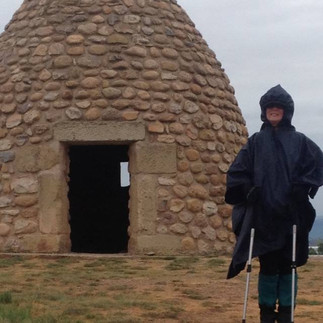
During April & May of 2017, we walked El Camino de Santiago, the Camino Frances to be more exact. After a lovely three days in Bordeaux to rid ourselves of jetlag, we began our Camino in Saint-Jean-Pied-de-Port in France. After a steep hike halfway up the Pyrenees, we spent the night at Orisson. The next day, we hiked over the rest of the Pyrenees and into Spain. We skipped a bit in the middle because my partner became ill with a bad cold, so we holed up in an AirBnB in Leon for a week. So glad we did. What a beautiful city. The following is based on my research and our experience. If it helps you in any way, marvellous. Buen Camino y Ultreia!
Know
The Camino provides. At some point, even during planning and shopping, you will know this.
Timing
Spring is perfect because by the end of the season during the autumn, there are reportedly a lot of bed bugs in the albergues (?)
Follow the weather to know if you’re going to hit a snow storm, especially over the Pyrenees (if it’s impassible, you can take the alternative route and walk around them.)
Whatever you do, ensure you stop at the Pilgrim’s office in Saint-Jean-Pied-de-Port and get your paperwork (including list of albergues along the route.)
Gear
Don’t overpack. We hiked over the Pyrenees and then a few days later at our albergue, we left some stuff behind that we didn’t think we’d need. A few days after that, we hit a super cold rain storm and, thankfully, the camino does provide as the albergue we arrived at had a shelf full of clothes left behind by previous pilgrims. You should be able to fit everything you need into a large day pack or a super small backpack. We chose backpacks with hidden rain covers….so glad we did.
We bought a lot of our stuff at the Mountain Warehouse including our towels and our Pakka raincoats that fold up into a small bag. Perfect on their own or over a fleece/hoodie. We also had fold-up ponchos like the ones TOTES sell. We used them a few times and were happy we had them. We did bring our SuperSlim Fulton umbrellas which we also used several times… only 156 grams! We use these year round. So tiny, it fits into my evening bag.
Do not buy/wear stiff hiking boots….they will only give you blisters. A comfortable, waterproof hiking/walking shoe should be fine. We walked in ours for 6.5 km/day for a month before our camino.
Socks...highly recommended: Injinji toe socks rock. Two pairs. I think we also had a pair of thin, thermal socks for extra warmth.
Hat…you will want to bring a hat with a brim, even a ball cap with a brim to keep the rain and/or sun off your face.
You will want to bring something comfortable to wear on your feet after your day’s walk. We highly recommend a pair of Dawg’s Z-Sandals from Dawgs Canada or Dawgs USA and if you sign up for their newsletter, you can easily get them at a discount. Lightweight and super comfy. You will also need something to wear after your day’s walk when your clothes may be in the laundry. Perhaps a wrinkle-proof dress or a light pair of pants and a Tee. Keep in mind, if you plan on visiting a church and you are female, it’s customary to wear a skirt or dress. A sarong would suffice for this and many other uses.
For walking, perhaps a pair of shorts and a pair of capris from The Running Room. Along with an excellent pair of gaiters (Canadian Tire has some fabulous ones that are affordable*) and arm warmers made from cutting the legs off of thermal tights from Dollarama (sold during the winter only) to slip on your arms when needed - will reduce the amount of clothes needed, so you don’t have to bring a long sleeved shirt. *Gaitors will protect your lower legs and your shoes/laces when it’s super muddy and it will also provide warmth to your lower legs, when needed. Or perhaps hiking pants that zip off into shorts or capris. All of your clothes, including your under garments, should be breathable and quick dry. We also discovered Fruit of the Loom breathable, quick dry underwear sold at Walmart.
If you opt for walking poles, buy good ones with flip down latches to make them longer or shorter rather than ones that twist to lock into place. Also opt to put some decorative duck tape around them near the top to quickly differentiate them from other pilgrim’s as they are all in an umbrella stand type container at the entrance to the albergues. Same with your shoes….grab a sharpie and draw something on them. Also know that local villagers often find the clicking sound of walking poles rather annoying. Ensure you use the appropriate tips on various terrains…quiet ones in the village.
Sleeping wear: We found fun Canadian flag under shorts at a store but you can also order online “Men Boxer Briefs Comfort Soft Boxer Briefs” LOL, with a tank shirt sufficed.
Sleeping bag: We are SO happy we bought our MEC Intrepid Traveller sleeping bags when we did because they are now discontined [2025 Note: MEC has brought them back and they are now called Camino Traveller.] This is a super small, lightweight bag that basically has sleeping bag fabric on one side and a liner fabric on the other, so you can flip it as needed depening on the temperature in your sleeping quarters. If you need a blanket, most albergues have extras for you. You do not need to bring a pillow case.
For shampoo/soap, we recommend a shampoo bar or a bar that can be used for both. Bulk Barn sells all kinds of bars.
You should have a micro hand towel and a package of soap sheets as most bathrooms along the way do not provide these AND always have a small packet of tissues as well, because they also cannot be guaranteed to have TP. You might also ensure you take your phone with you into the washroom because most of the washrooms in Europe have a timed light and you don’t want to catch yourself in the dark if you cannot reach the light switch.
You will need some clips or something to hang your clothes up after washing them (there are no dryers.) I had a mini-Altoids tin with dozens of safety pains and a fine piece of long string from a fishing store, complete with tiny carabiners on either end makes a fine clothesline.
Upon arrival in Europe, you can do a few things to help you stay connected.
When you have wifi, download a Google map of the major cities you will visit so you can find your way around without data. Pamplona (my 2nd favourite), Burgos, Leon (my favourite), and Santiago de Compostella.
If you need data, buy a SIM card (we used Orange) at a kiosk or store. It's possible to walk the camino and only rely on wifi but for an emergency, it's worth the money to have data.
When you have wifi, use WhatsApp to speak to the folks back home for free. Have them download it before you leave.
After Your Day’s Walk
Great advice from a friend and fellow pilgrim whose family has, for generations, owned an orthopedic shoe store: arrive at your albergue, get on the bed and place your legs up on the wall for at least 5 minutes. This will send the blood out of your feet back into your legs. When you are done, have a shower and towards the end of your shower, turn the water to cold and put it on your feet for a few minutes. Both of these will keep your feet from swelling. One albergue we were at provided you with a foot tub before your shower: A basin of cold water with vinegar and sea salt in it. Very nice.
Where? What?
If we did it over again, we would walk for a few hours (3.5 to 5) and then rest for 30 minutes or have lunch and rest…and continue on. We would also spend an extra night in our favourite places - which is the benefit to having a small pack (that you don’t send ahead) and being flexible. There is so much history to Pamplona (there’s a self-guided tour, map available at the Tourist Office), same with Viana, and Leon’s old town is so incredibly charming, there’s even a Casa Botines Gaudí museum there.
Do not forget to obtain at least 2 stamps per day when you arrive at Sarria INCLUDING 2 stamps from Sarria as this is the beginning of the last 100 km which you must provide proof of in order to receive your Compostella at the end.
Recommend to find someone to walk the Meseta part with as it is long and isolated. I would also recommend to wear a good quality whistle in case you injure yourself or require help, such as the Fox 40 Sharx whistle or a STORM whistle (works under water as well) or a Coghlan's Emergency Survival Horn (a little bigger to carry and no louder than a Fox 40 Sharx or a STORM but I just thought I’d throw them all out there as options because they all rock in their own way.)
We stayed at municipal and private albergues and also some pensions. We had a few favourites and a few we checked in to and then left, mostly because they were so damp that you could feel it in the mattress. We slept in some churches which were always lovely even if it was a gym mat on the floor. We had some amazing meals, ate too much bread, drank too much wine, and met fabulous people from everywhere.

Comments